How to Create Cosmetics Ads with AI: A Complete Guide for Beauty Brands
Alex Zhang is the founder of NeoSpark, an AI-powered design platform helping creators and teams generate images, videos, and brand assets without design skills.
How to Create Cosmetics Ads with AI: A Complete Guide for Beauty Brands
TL;DR: AI tools like NeoSpark enable beauty brands to create professional cosmetics ads in minutes instead of days. This guide covers the complete workflow from concept to compliance, including platform-specific specs, color psychology, and real brand case studies. Whether you need product hero shots, before/after transformations, or seasonal campaigns, AI can cut production costs by up to 70% while maintaining brand consistency and regulatory compliance.
Table of Contents
- Why AI Is Transforming Beauty Advertising
- Types of Cosmetics Ads
- AI Ad Creation Workflow
- Platform-Specific Ad Specs
- Color Psychology for Beauty Brands
- AI Tools for Cosmetics Marketing with NeoSpark
- Compliance and Truth in Advertising
- Beauty Brand Case Studies
- Frequently Asked Questions
- Conclusion
- Related Resources
Why AI Is Transforming Beauty Advertising
The beauty industry has always been at the forefront of visual marketing. In 2026, artificial intelligence is not just changing how cosmetics ads are made, it is redefining what is possible for brands of every size. From indie skincare startups to global luxury houses, AI design tools are democratizing access to high-end creative production.
The numbers tell a compelling story. Beauty brands that have adopted AI-powered creative workflows report dramatic improvements across every metric that matters.
| Metric | Traditional Workflow | AI-Powered Workflow | Improvement |
|---|---|---|---|
| Average production time per ad | 3 to 5 days | 30 to 90 minutes | 85% faster |
| Cost per creative asset | $500 to $2,000 | $10 to $50 | Up to 97% savings |
| Creative variations per campaign | 3 to 5 | 50 to 200+ | 10x more variants |
| A/B testing cycle time | 2 to 4 weeks | 2 to 3 days | 80% faster |
| Brand consistency score | Variable | 95%+ across all channels | Standardized excellence |
Beyond the efficiency gains, AI enables beauty marketers to iterate at the speed of culture. When a new trend emerges on TikTok, brands can generate on-brand creative within hours rather than weeks. When a product launch date shifts, entire campaign suites can be reformatted for new dimensions and platforms automatically.
The competitive advantage is clear. Beauty brands that master AI ad creation are not just saving money, they are capturing market share by being first to market with culturally relevant, visually stunning creative.
Types of Cosmetics Ads
Understanding the different types of cosmetics advertisements is essential before diving into AI creation. Each format serves a distinct purpose in the customer journey and requires specific visual strategies.
Product Hero Shots
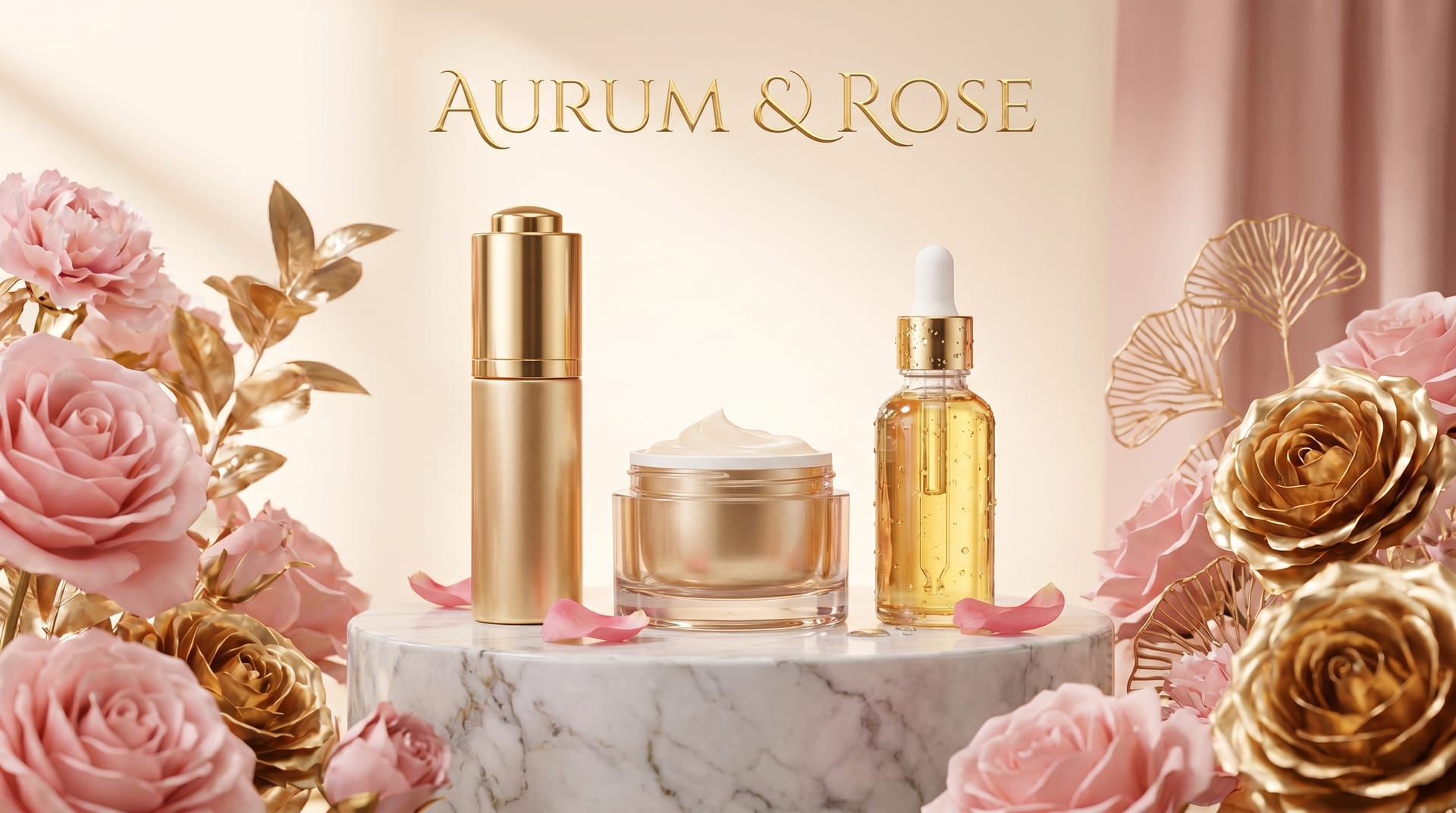
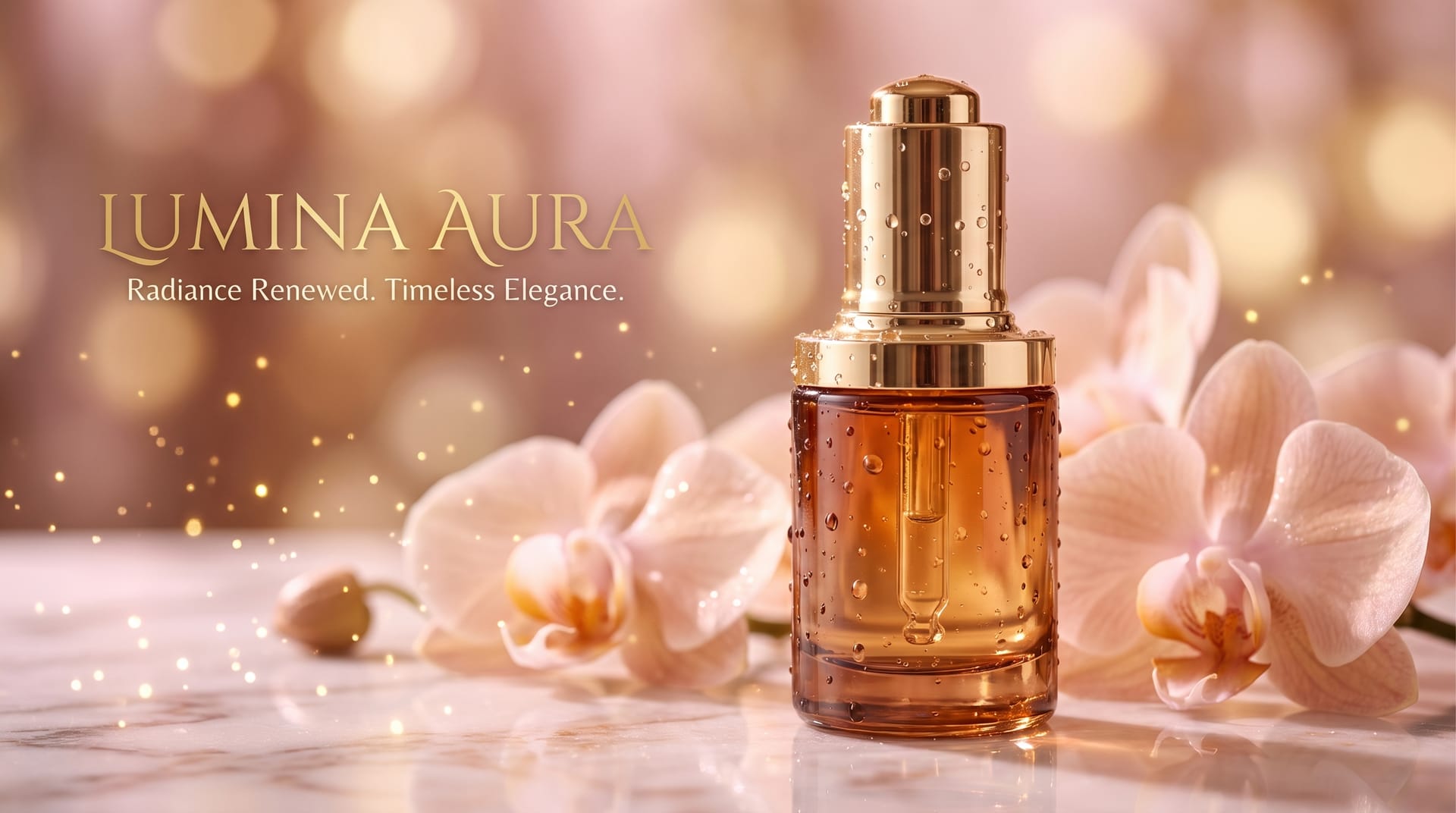
Product hero shots place your item at center stage. These are the quintessential beauty ads: a perfectly lit serum bottle against a minimalist backdrop, a lipstick captured mid-swipe with flawless lighting, or a palette arranged with artistic precision. Hero shots demand immaculate detail, consistent shadow direction, and color accuracy that matches the physical product exactly. AI excels at generating these because it can maintain perfect lighting consistency across hundreds of variations while subtly adjusting backgrounds, angles, and props to test what resonates most with your audience.
Before/After Transformations
Before and after advertisements remain among the most persuasive formats in beauty marketing. Whether showcasing foundation coverage, lash serum results, or skincare transformations, these ads require careful attention to authenticity. AI tools can help generate realistic transformation sequences while maintaining consistent lighting, camera angles, and skin tones. The key is balancing dramatic visual impact with honest representation. Modern AI can create compelling before/after narratives that feel authentic rather than exaggerated, helping brands build trust while driving conversions.
Lifestyle and Aspirational Ads
Lifestyle cosmetics ads sell a dream. They feature models in sun-drenched bedrooms applying moisturizer, friends laughing over makeup palettes at brunch, or solitary moments of self-care ritual. These advertisements require diverse casting, evocative settings, and emotional resonance. AI generation enables brands to create inclusive lifestyle imagery featuring models of every age, ethnicity, and skin type without the logistical complexity of traditional photoshoots. The aspirational quality comes from perfect composition, idealized but relatable settings, and subtle emotional storytelling.
Ingredient-Focused Ads
Clean beauty and science-backed skincare have made ingredient storytelling essential. These ads visualize hyaluronic acid molecules, botanical extracts, or vitamin C serums with macro photography aesthetics. AI can generate stunning ingredient visualizations, from floating droplets containing microscopic botanicals to abstract representations of molecular structures. This format appeals to educated consumers who read labels and research formulations before purchasing.
Seasonal and Campaign Ads
Holiday collections, summer launches, and limited-edition collaborations require timely, thematic creative. A Valentine’s Day lipstick campaign needs romantic crimson tones and soft lighting. A summer sunscreen launch demands bright, beach-adjacent energy. AI enables rapid seasonal adaptation, allowing brands to generate entire campaign suites in specific color palettes and moods within a single afternoon. When summer transitions to fall, every asset can be reimagined in autumnal tones without starting from scratch.
AI Ad Creation Workflow
Creating professional cosmetics advertisements with AI follows a structured workflow that ensures brand consistency, regulatory compliance, and creative excellence. Here is the complete process from brief to publish.
Step 1: Define Your Creative Brief
Begin with clarity. Document your campaign objective, target audience, key messaging, and mandatory elements. For cosmetics specifically, note any regulatory claims you intend to make, required disclaimers, and ingredient callouts. Specify your brand color palette, typography rules, and photography style preferences. The more detailed your brief, the better AI can execute your vision.
Step 2: Select Your Ad Format and Platform
Choose from the ad types outlined above based on your campaign goals. Then identify your primary platforms, as this determines dimensions, safe zones for text, and technical specifications. A TikTok video ad requires fundamentally different creative thinking than a Google Display banner or a print magazine spread.
Step 3: Generate Base Visuals with AI
Using NeoSpark or your preferred AI design platform, input detailed prompts describing your desired output. For product hero shots, specify lighting style, background color, camera angle, and surface texture. For lifestyle ads, describe the scene, model attributes, mood, and setting. Generate multiple variations to explore creative directions before committing.
Step 4: Refine and Iterate
Review generated outputs against your brand guidelines. Adjust prompts to correct color accuracy, modify compositions, or refine lighting. This iterative process typically takes three to five rounds to achieve production-ready results. Save successful prompt structures as templates for future campaigns.
Step 5: Add Brand Elements and Copy
Overlay your logo, product names, pricing, and call-to-action text. Ensure typography hierarchy follows brand guidelines. For cosmetics ads, ingredient lists, usage instructions, and required disclaimers must be legible and properly positioned. AI design tools can automate much of this through brand kit integration.
Step 6: Compliance Review
Before any cosmetics advertisement goes live, verify all claims are substantiated, disclaimers are present, and imagery meets truth-in-advertising standards. This step is non-negotiable in beauty marketing and is covered in detail later in this guide.
Step 7: Export in Platform-Specific Formats
Render final assets in the correct dimensions, resolutions, and file formats for each platform. Create multiple aspect ratios from master compositions to maximize placement opportunities without additional design work.
Step 8: Launch and Optimize
Deploy your ads and monitor performance metrics. Use engagement data to inform your next generation of AI creative. The speed of AI production means you can respond to performance insights within days rather than waiting for the next creative cycle.
Platform-Specific Ad Specs
Every advertising platform has unique technical requirements and creative best practices. Getting these right ensures your cosmetics ads look professional and perform optimally.
| Platform | Recommended Dimensions | File Format | Max File Size | Creative Best Practices |
|---|---|---|---|---|
| Instagram Feed | 1080 x 1080 px (square) 1080 x 1350 px (portrait) |
JPG, PNG | 30 MB | Keep text under 20% of image. Use lifestyle or product flat lays. Soft, natural lighting performs best. |
| Instagram Stories / Reels | 1080 x 1920 px (9:16) | MP4, MOV, JPG | 250 MB (video) | Leave 250px top and bottom for UI elements. Vertical video with quick hooks. Show product in use. |
| TikTok | 1080 x 1920 px (9:16) | MP4, MOV | 500 MB | Native-feeling content outperforms polished ads. Use trending audio. Show transformation or application process. |
| Facebook Feed | 1200 x 630 px 1080 x 1080 px |
JPG, PNG | 30 MB | Broader demographic appeal. Clear product benefit in imagery. Test carousel ads for product ranges. |
| Google Ads Display | 300 x 250 px 728 x 90 px 160 x 600 px 320 x 50 px (mobile) |
JPG, PNG, GIF | 150 KB | Small file size is critical. Simple compositions with clear focal points. High contrast for visibility. |
| Print Magazine | Varies by publication Typically 8.5 x 11 in at 300 DPI |
TIFF, PDF, EPS | N/A | CMYK color mode required. Account for bleed and safe zones. Higher detail and luxury finish expected. |
When creating AI-generated cosmetics ads, always generate at the highest resolution your platform supports. It is easier to downscale than to upscale, and print campaigns in particular demand pixel-perfect detail that only high-resolution generation can provide.
Color Psychology for Beauty Brands
Color is the silent salesperson in cosmetics advertising. The hues you choose trigger emotional responses, communicate brand positioning, and influence purchase decisions before a single word is read. AI design tools make exploring color psychology effortless, allowing you to test entire palette shifts across your creative suite instantly.
Soft Pink and Blush Tones convey femininity, gentleness, and approachability. They dominate skincare and baby-pink makeup collections, suggesting products that are kind to skin and suitable for everyday use. Brands targeting younger demographics or promoting natural, no-makeup makeup looks frequently build campaigns around these tones.
Bold Red and Crimson signal passion, power, and unapologetic glamour. Red is the classic lipstick color for a reason, it commands attention and suggests confidence. Luxury beauty brands use deep crimson backgrounds and accents to position products as indulgent, sophisticated, and worth the premium price point.
Clean White and Minimal Neutrals communicate purity, clinical efficacy, and modern simplicity. Medical skincare brands, clean beauty lines, and dermatologist-developed products leverage white space and neutral palettes to suggest scientific credibility and ingredient transparency.
Rich Gold and Metallic Accents evoke luxury, exclusivity, and timeless elegance. Holiday collections, anniversary editions, and premium anti-aging lines use gold to signal that what is inside the packaging is precious and transformative.
Deep Purple and Plum suggest creativity, mystery, and unconventional beauty. These tones work for avant-garde makeup brands, bold fragrance campaigns, and products targeting consumers who view cosmetics as self-expression rather than correction.
Earthy Greens and Browns anchor natural, organic, and sustainable beauty positioning. Clean beauty brands, botanical skincare lines, and eco-conscious makeup companies use earth tones to visually communicate their commitment to nature and ethical sourcing.
When generating cosmetics ads with AI, specify your intended color psychology in your prompts. Rather than requesting a blue background, ask for a clinical, trustworthy cerulean that suggests dermatological credibility. The specificity improves both the aesthetic result and the strategic impact.
AI Tools for Cosmetics Marketing with NeoSpark
NeoSpark is purpose-built for the demands of beauty and cosmetics marketing. Unlike generic AI design tools, NeoSpark understands the nuances of product photography, skin tone accuracy, and regulatory requirements that define successful beauty advertising.
Product Visualization Engine generates photorealistic product renders from simple reference images. Upload your packaging photography, and NeoSpark creates infinite variations with different lighting, backgrounds, and compositions while maintaining perfect color accuracy. The engine understands reflective surfaces, transparent materials, and metallic finishes that challenge lesser AI tools.
Skin Tone Accuracy System ensures all generated lifestyle imagery features realistic, diverse skin representation. NeoSpark’s training includes extensive dermatological reference data, preventing the unnatural smoothing or inconsistent coloring that plagues generic AI generators. This matters enormously for foundation campaigns, skincare advertisements, and inclusive beauty marketing.
Brand Kit Integration locks your fonts, colors, logo placement, and messaging guidelines into every generated asset. Once configured, every AI output automatically adheres to your brand standards. For cosmetics houses managing multiple product lines under a master brand, this ensures cohesion across campaigns.
Compliance Assistant flags potential regulatory issues before assets are finalized. It identifies unsubstantiated claims, missing disclaimers, and problematic before/after representations. While not a substitute for legal review, it catches common errors that could trigger FDA scrutiny or advertising standards complaints.
Multi-Platform Exporter automatically reformats master creative into every dimension and file type your campaign requires. Generate a single hero image and receive optimized exports for Instagram, TikTok, Facebook, Google Ads, and print without additional design work.
Batch Generation produces hundreds of creative variations for A/B testing. Test different backgrounds, model demographics, color palettes, and compositions simultaneously. Beauty brands using NeoSpark’s batch capabilities routinely identify winning creative combinations that manual processes would never uncover.
Compliance and Truth in Advertising
The beauty industry operates under intense regulatory scrutiny. The United States Food and Drug Administration, Federal Trade Commission, and equivalent bodies worldwide enforce strict standards about what cosmetics brands can claim and how products must be represented. AI-generated advertisements must meet the same standards as traditionally produced creative.
Drug Claims vs. Cosmetic Claims is the most critical distinction. Cosmetics may claim to cleanse, beautify, promote attractiveness, or alter appearance. Once a product claims to treat, prevent, or cure a condition, it is classified as a drug and requires FDA approval. An AI-generated ad for a moisturizer can claim it hydrates skin. It cannot claim it treats eczema unless the product has undergone drug approval. NeoSpark’s compliance assistant flags language that crosses this line.
Before and After Representations must be truthful and representative of typical results. AI should not generate exaggerated transformations that no consumer could realistically achieve. Disclaimers such as results may vary or individual results will differ should accompany before/after imagery. The model in the after image should be the same person shown in the before image, or this should be clearly disclosed.
Ingredient Claims require substantiation. If your AI-generated ad highlights hyaluronic acid for intense hydration, that claim must be supported by testing or established ingredient data. Terms like clinically proven and dermatologist tested require actual clinical studies and dermatologist involvement.
Sunscreen and SPF Claims are regulated as drugs in the United States. Any AI-generated advertisement for SPF products must comply with FDA monograph requirements, including proper SPF number display and claims limitations.
Organic and Natural Claims must meet USDA or relevant certification standards. AI-generated ads should not feature natural or organic callouts unless the product carries legitimate certification or meets regulatory definitions.
Disclosure of AI-Generated Imagery is an emerging requirement. Several jurisdictions now mandate that consumers be informed when advertising imagery is AI-generated rather than photographed. Including a small disclosure such as AI-generated imagery or created with artificial intelligence protects your brand from future regulatory action and builds consumer trust.
Always have legal counsel review AI-generated cosmetics advertisements before publication, particularly for new product launches or campaigns making novel claims.
Beauty Brand Case Studies
Real-world examples demonstrate the transformative impact of AI on cosmetics advertising.
Case Study 1: Lumina Skincare
Lumina Skincare is a direct-to-consumer brand specializing in vitamin C serums and retinol treatments. Before adopting AI creative tools, the company relied on quarterly photoshoots that produced approximately twenty usable assets at a cost of fifteen thousand dollars per session.
After implementing NeoSpark, Lumina transformed their creative workflow. The brand now generates over two hundred assets monthly, testing multiple visual approaches for each product. Their hero serum campaign featured AI-generated ingredient visualizations showing vitamin C molecules penetrating skin layers, a creative approach that would have required expensive 3D rendering previously.
Results were dramatic. Cost per acquisition dropped forty-two percent. Click-through rates on Meta platforms increased sixty-seven percent. Most significantly, Lumina reduced their creative production timeline from six weeks to four days, allowing them to capitalize on trending skincare conversations in real time.
The key success factor was Lumina’s investment in detailed brand kit configuration within NeoSpark. By defining their precise color palette, approved font pairings, and mandatory disclaimer language upfront, every generated asset maintained regulatory compliance and brand consistency without manual review of each element.
Case Study 2: Velvet Cosmetics
Velvet Cosmetics, a cruelty-free makeup brand targeting Gen Z consumers, faced a common challenge: representing diverse beauty without the logistical complexity of casting dozens of models for every campaign.
Using NeoSpark’s inclusive generation capabilities, Velvet created campaign imagery featuring models across the full Fitzpatrick skin type spectrum, various ages, and multiple gender presentations. Their Pride Month campaign generated fifty unique creative assets celebrating diverse beauty, produced in under one week.
The campaign achieved a four-point-eight percent engagement rate on Instagram, more than double the beauty industry average. User-generated content increased threefold as customers saw themselves represented in Velvet’s advertising. Return on ad spend improved thirty-five percent compared to the previous year’s campaign, which used traditional photography with a more limited casting pool.
Velvet’s compliance team particularly valued NeoSpark’s automated disclaimer placement. Every before/after asset in their foundation campaign automatically included required results may vary language in approved typography, eliminating a frequent source of regulatory risk.
Frequently Asked Questions
Can AI-generated cosmetics ads look as professional as traditional photography?
Yes. Advanced AI design platforms like NeoSpark produce cosmetics advertisements that are visually indistinguishable from professional photography to most consumers. The key is detailed prompting, brand kit configuration, and iterative refinement. For print campaigns and extreme close-up work, AI-generated base imagery may benefit from minor retouching, but the gap between AI and traditional photography narrows monthly.
Are AI-generated beauty ads legally compliant?
AI-generated ads must meet the same regulatory standards as any other cosmetics advertising. The generation method does not change compliance requirements. Tools like NeoSpark include compliance assistance features, but brands should always have legal counsel review campaigns, particularly those making efficacy claims or featuring before/after imagery. Including AI-generated imagery disclosures is increasingly required and always recommended for transparency.
How do I ensure skin tone accuracy in AI-generated beauty ads?
Choose AI platforms specifically trained on diverse dermatological data. NeoSpark’s Skin Tone Accuracy System is designed for this exact challenge. Always review generated imagery for realistic texture, consistent undertones, and natural appearance. Test outputs across multiple skin types before campaign launch, and consider having diverse focus groups review creative for authenticity.
What is the cost difference between AI and traditional cosmetics ad creation?
Traditional cosmetics photography typically costs five hundred to two thousand dollars per finished asset, plus model fees, studio rental, and post-production. AI generation through platforms like NeoSpark reduces this to ten to fifty dollars per asset after subscription costs. For a typical campaign requiring fifty creative variations, savings often exceed ninety percent.
Can AI create video ads for TikTok and Instagram Reels?
Yes. AI video generation capabilities now support short-form cosmetics advertising. NeoSpark generates product motion, application sequences, and lifestyle clips optimized for vertical video platforms. While longer-form video still benefits from traditional production, six to fifteen second social clips are increasingly produced entirely with AI.
How do I maintain brand consistency across AI-generated assets?
Configure your brand kit comprehensively before generating any assets. Document exact hex codes, approved fonts, logo clearance requirements, and photography style references. Lock these parameters into your AI platform so every output adheres automatically. Review early generations carefully and refine your brand kit until outputs require minimal adjustment.
Will consumers trust cosmetics brands that use AI-generated imagery?
Transparency builds trust. Brands that disclose their use of AI-generated imagery and explain the benefits, faster iteration, more diverse representation, lower environmental impact from reduced travel and studio use, generally maintain consumer confidence. The content quality matters more than the creation method. Poorly executed traditional photography damages trust more than beautifully executed AI creative.
Conclusion
Creating cosmetics ads with AI represents the most significant creative transformation in beauty marketing since the shift from illustration to photography. The technology has matured from novelty to necessity, enabling brands of every size to produce professional, compliant, and compelling advertising at unprecedented speed and scale.
The six key takeaways for beauty brands ready to embrace AI ad creation are:
-
Start with strategy, not technology. Define your creative brief, brand guidelines, and compliance requirements before generating a single pixel. AI amplifies good strategy and exposes poor planning.
-
Invest in brand kit configuration. The time spent locking colors, fonts, logos, and disclaimers into your AI platform pays dividends across every future campaign.
-
Prioritize compliance from day one. Regulatory standards apply regardless of creation method. Build compliance checks into your workflow, not around it.
-
Test relentlessly. AI’s greatest advantage is the ability to generate dozens of variations. Use this to A/B test creative approaches, color palettes, and messaging angles continuously.
-
Embrace diverse representation. AI enables inclusive casting without logistical barriers. Represent the full spectrum of beauty in your campaigns authentically.
-
Iterate at the speed of culture. When trends shift, product launches move, or competitors act, AI allows same-day creative response. Speed is the new competitive advantage in beauty marketing.
The brands that thrive in the next decade of beauty marketing will be those that master AI creative workflows while maintaining the human judgment, brand vision, and regulatory awareness that technology cannot replace. NeoSpark exists to bridge that gap, providing beauty marketers with AI power guided by industry-specific intelligence.
Related Resources
- NeoSpark AI Design Platform - Create professional cosmetics ads with AI-powered design tools
- Beauty Brand Marketing Templates - Ready-to-use cosmetics ad templates for every platform
- AI Product Photography Guide - Master product hero shots with artificial intelligence
- Brand Compliance for Cosmetics - Navigate FDA and FTC requirements for beauty marketing
- Color Psychology in Beauty Marketing - Deep dive into strategic color selection for cosmetics campaigns
- NeoSpark Batch Generation Tutorial - Produce hundreds of ad variations for A/B testing
- Inclusive Beauty Marketing Guide - Represent diverse beauty authentically with AI