UGC Add AI: How to Scale Authentic User-Generated Content with Artificial Intelligence (2026)
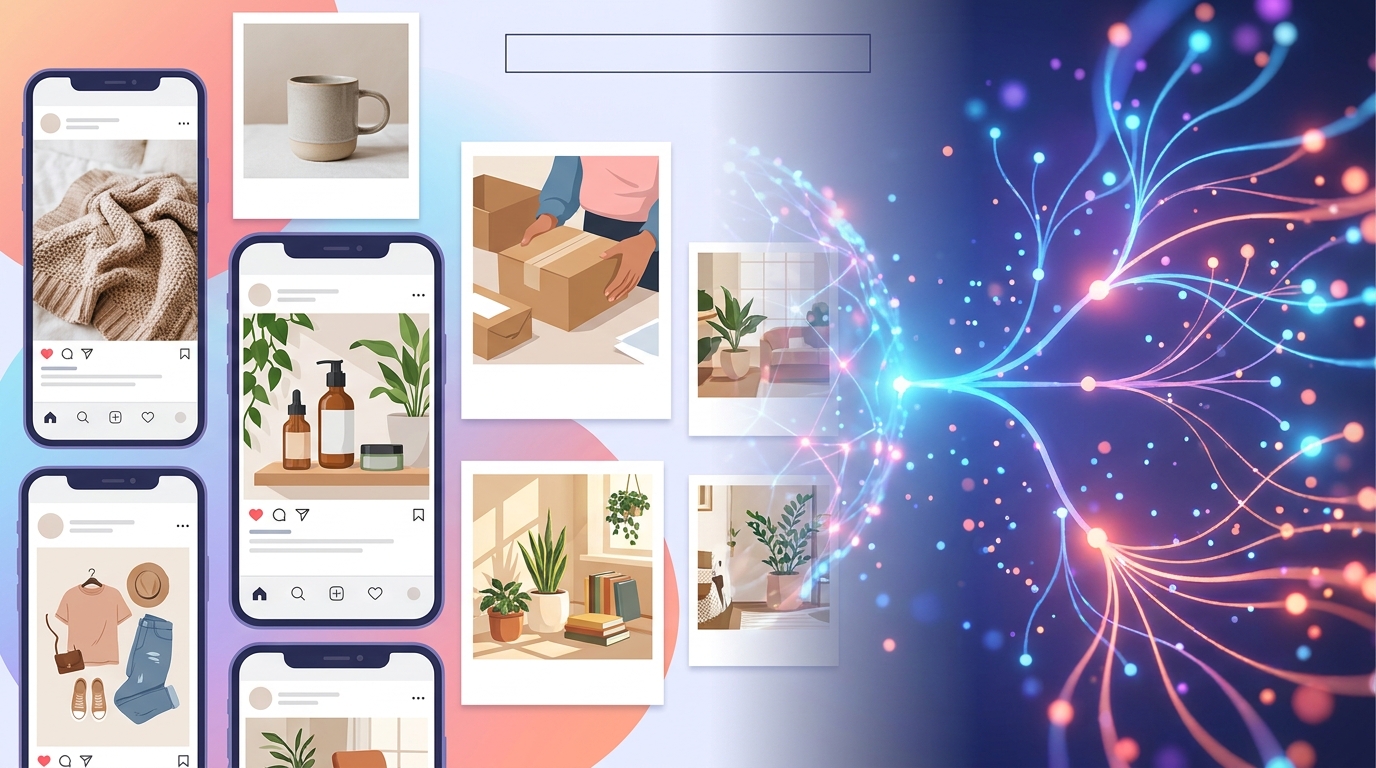
Alex Zhang is the founder of NeoSpark, an AI-powered design platform helping creators and teams generate images, videos, and brand assets without design skills.
UGC Add AI: How to Scale Authentic User-Generated Content with Artificial Intelligence (2026)
Published: June 13, 2026 | Reading Time: 14 min | Level: Marketer / E-commerce Operator / Agency
TL;DR: Adding AI to UGC (user-generated content) lets brands create authentic, social-proof-style visuals and videos at scale without relying solely on customer submissions. This guide covers AI UGC generation, ad creative variations, testimonial graphics, product placement scenes, captions, moderation, and how NeoSpark's AI design platform streamlines the entire workflow.
Table of Contents
- The UGC Challenge: Authenticity vs. Scale
- What Is UGC + AI?
- Why Add AI to Your UGC Strategy?
- 6 Ways to Add AI to UGC Workflows
- Platform-Specific UGC + AI Playbooks
- NeoSpark UGC Suite: Features and Advantages
- Real Brand Case Studies
- FAQ
- Conclusion
- Related Resources
The UGC Challenge: Authenticity vs. Scale {#the-ugc-challenge}
Why User-Generated Content Still Wins
User-generated content remains one of the highest-performing formats in digital marketing:
| Metric | UGC Impact | Source |
|---|---|---|
| Ad CTR improvement | +73% vs. brand-created ads | Stackla 2024 |
| Conversion lift | +29% when UGC is on product pages | Baymard Institute |
| Consumer trust | 79% say UGC highly impacts purchase decisions | Stackla |
| Cost per acquisition | -50% on average for UGC-style ad creatives | NeoSpark Marketing Survey 2026 |
The reason is simple: people trust people more than brands. A photo of a real customer using your product feels more honest than a polished studio shot.
The Scale Problem
But traditional UGC has hard limits:
| Challenge | Why It Hurts |
|---|---|
| Low submission rates | Only 1-5% of customers organically share branded content |
| Quality inconsistency | Lighting, framing, and messaging vary wildly |
| Legal clearance | Obtaining usage rights is slow and error-prone |
| Localization | One customer’s photo does not work for 20 markets |
| Volume gaps | Product launches need 50+ assets; real customers may submit 5 |
| Seasonality | Holiday campaigns need fresh UGC before customers have the product |
Brands often find themselves in a bind: they need the look of UGC at the volume of professional production. That is exactly where UGC add AI changes the equation.
What Is UGC + AI? {#what-is-ugc-ai}
UGC + AI is the practice of using artificial intelligence to create, enhance, or scale content that looks and feels like organic user-generated content—even when it is produced by the brand or agency.
It does not replace real customer testimonials. Instead, it fills the volume, variety, and velocity gaps that make pure organic UGC impractical for modern marketing.
| Traditional UGC | UGC + AI |
|---|---|
| Wait for customers to post | Generate UGC-style assets on demand |
| Limited to existing customers | Create scenes for pre-launch and new markets |
| One photo, one use case | Generate dozens of variations from one concept |
| Rights management is manual | Assets are brand-owned and commercially cleared |
| Inconsistent quality and style | Consistent brand-safe aesthetic at scale |
Bottom line: UGC + AI gives you the authenticity of social proof with the predictability of in-house creative production.
Why Add AI to Your UGC Strategy? {#why-add-ai-to-ugc}
1. Launch Faster
Product launches, seasonal campaigns, and flash sales cannot wait for customers to post. AI-generated UGC-style visuals let you go to market with social-proof creative on day one.
2. Test More Creatives
Meta and TikTok algorithms reward creative variety. AI lets you produce 20-50 UGC-style ad variations per week instead of 3-5, improving account learning and ROAS.
3. Localize at Scale
One product can be shown in different homes, cities, climates, and cultures without flying a creator to each location. This is especially powerful for cross-border e-commerce.
4. Reduce Creator Costs
Hiring UGC creators typically costs $100-$500 per video. AI-generated UGC-style visuals can drop that to under $5 per asset while still feeling native to the feed.
5. Maintain Brand Safety
Real UGC can include unintended logos, messy backgrounds, or off-brand messaging. AI-generated UGC gives you full control over the scene, talent, text, and context.
6 Ways to Add AI to UGC Workflows {#six-ways-ai-ugc}
1. AI-Generated UGC Visuals
The most common starting point is generating images that look like authentic customer photos: unboxing shots, bathroom-shelf flat lays, outfit-of-the-day posts, or desk setups.
Prompt formula for NeoSpark:
[Product] + [Real-life setting] + [Casual photography style] + [Natural lighting] + [Authentic moment]
Example prompt:
“A cozy morning coffee scene on a small apartment kitchen counter, a young woman in a soft beige sweater holding a white ceramic mug with a minimalist brand logo, warm natural window light, slightly messy background with plants and a newspaper, shot on iPhone, candid UGC style, no heavy retouching, warm tones”
2. AI UGC Ad Creative Variations
Great UGC ads need hooks, formats, and demographic diversity. AI makes it easy to generate multiple versions:
| Variation Type | Example |
|---|---|
| Hook angle | ”I was skeptical until…” vs. “This replaced 3 products for me” |
| Demographic | Different ages, skin tones, body types, locations |
| Setting | Gym, office, bedroom, car, kitchen |
| Product state | Before/after, in-use, unboxing, close-up |
| Season | Summer outdoor, winter cozy, holiday gift |
NeoSpark advantage: Batch-generate 20+ variations from a single base prompt, then resize automatically for Meta, TikTok, and Pinterest specs.
3. AI-Enhanced Testimonial Graphics
Turn written reviews into shareable visuals that look like screenshots or quote cards.
Use cases:
- Instagram story testimonial cards
- Website review galleries
- Ad creative overlays
- Email social-proof banners
Best practices:
- Use real review text (or summarize verified feedback)
- Add a subtle avatar or initials
- Keep typography readable on mobile
- Include a small product image for context
4. AI Product Placement in UGC-Style Scenes
Instead of sending products to dozens of creators, upload your product image and let AI place it in realistic lifestyle contexts.
Workflow with NeoSpark:
- Upload a clean product cutout or packshot
- Describe the desired scene (setting, model, mood)
- Generate 10-20 lifestyle placement options
- Select and minor retouch in your editor
This is especially effective for beauty, food, supplements, fashion accessories, and home goods.
5. AI Caption and Hashtag Generation
UGC-style copy should feel casual, specific, and personal. AI can generate captions that mimic real customer language:
- “Just tried the [product] and honestly didn’t expect this…”
- “POV: you finally found a [product category] that actually works”
- “The way this [product] fits into my morning routine \u2728”
Pair each caption with a hashtag set:
- 2-3 branded hashtags
- 3-5 niche community hashtags
- 2-3 broad discovery hashtags
6. AI Moderation and Brand Safety
For brands running UGC campaigns, AI can pre-screen submissions for:
- Off-brand imagery or logos
- Inappropriate content
- Quality issues (blur, poor lighting)
- Missing disclosure language
- Competitor mentions
This reduces legal risk and keeps campaign feeds on-brand.
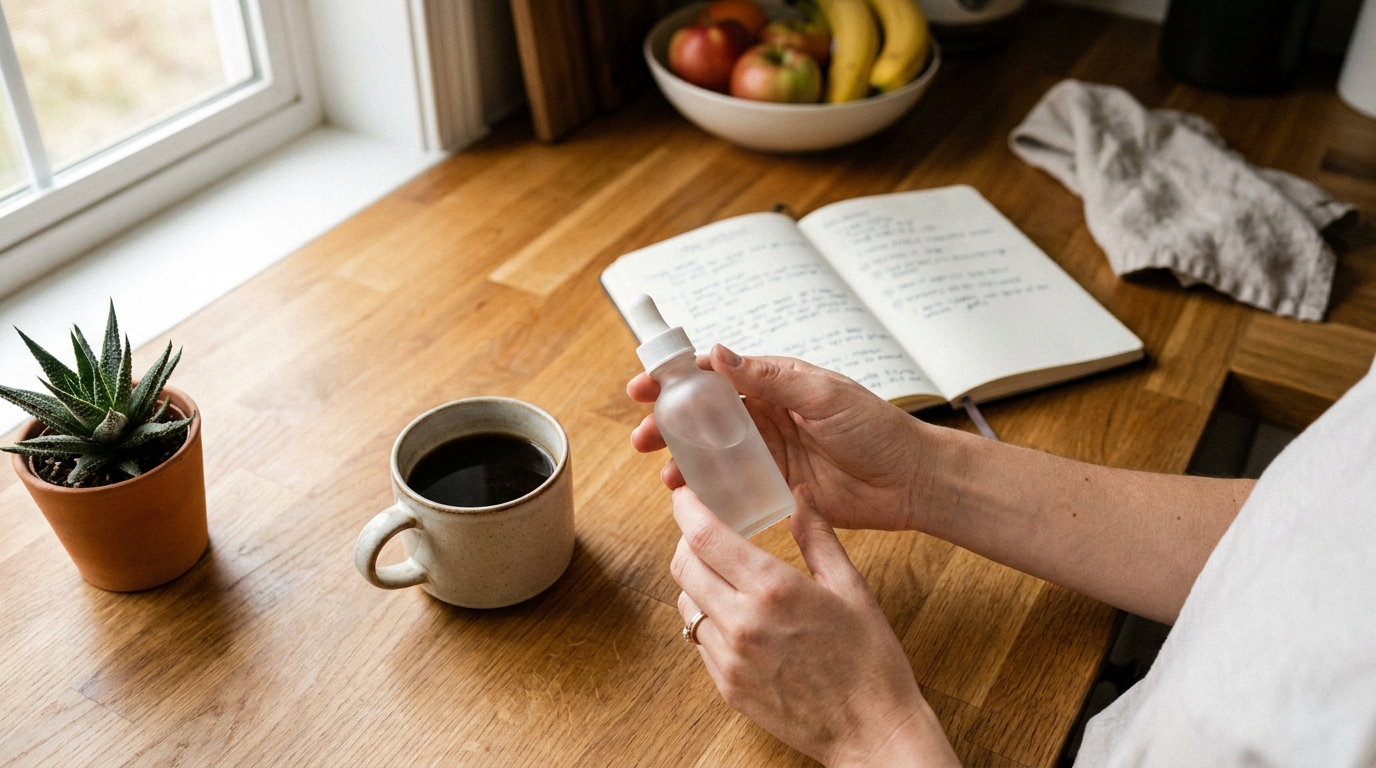 AI-generated UGC-style visuals can mimic the candid aesthetic of real customer photos while staying brand-safe and scalable.
Platform-Specific UGC + AI Playbooks {#platform-playbooks}
TikTok / Reels
TikTok audiences are highly sensitive to overly polished content. The best AI-generated UGC for short video starts with still frames, thumbnails, and video cover images that look like someone filmed in their bedroom.
Specs:
- 1080 x 1920 (9:16)
- Hook text in the first 1-2 seconds
- Captions that sound spoken, not written
NeoSpark tip: Generate video thumbnail variations showing a “messy real life” scene rather than a studio setup.
UGC performs best in carousels, Stories, and Reels. AI can generate:
- Carousel slide 1: Hook image (product in real life)
- Carousel slides 2-5: Feature close-ups, texture shots, results
- Carousel slide 6: CTA with review screenshot
Specs:
- Feed: 1080 x 1350 (4:5)
- Stories: 1080 x 1920 (9:16)
- Carousel: same as feed
Meta Ads
UGC-style ads on Facebook and Instagram need fast readability and social proof.
Winning formats:
- Single image with testimonial overlay
- Carousel with before/after or use-case slides
- Collection ads with lifestyle thumbnails
NeoSpark tip: Use the platform’s batch resize to export 1:1, 4:5, and 9:16 versions from the same base creative.
Pinterest users search with intent. AI-generated UGC-style pins should look aspirational but achievable.
Use cases:
- “Shelfie” style product arrangements
- Outfit or room inspiration including the product
- Recipe or routine flat lays
Amazon / E-commerce PDPs
AI-generated lifestyle images on product detail pages increase conversion by showing the product in context.
Best practices:
- Show scale and real-world use
- Include diverse models or hands
- Avoid misleading claims
- Add infographics for key features
NeoSpark UGC Suite: Features and Advantages {#neospark-ugc-suite}
NeoSpark is built for business use cases where authenticity, volume, and brand safety matter. Here is how NeoSpark helps you add AI to UGC workflows:
1. Brand-Locked UGC Generation
Save your brand colors, fonts, logo, and product shots as presets. Every AI-generated UGC asset stays visually consistent while still feeling organic.
2. Product Placement Mode
Upload product images and describe the lifestyle scene. NeoSpark handles lighting, shadow, perspective, and scale so the product looks naturally integrated.
3. Batch Variation Engine
Generate 10-50 UGC-style assets in one run. Test hooks, settings, demographics, and formats without starting from scratch each time.
4. Platform-Native Export
NeoSpark automatically resizes outputs for:
- Instagram feed, Stories, Reels
- TikTok
- Facebook ads
- Amazon A+ content
- Email headers
5. Commercially Cleared Outputs
All NeoSpark generated assets come with clear commercial licensing. Use them in paid ads, product pages, email, and print without rights headaches.
6. Multilingual Support
Optimize UGC visuals and captions for Chinese, English, Spanish, and 20+ languages—critical for cross-border brands.
NeoSpark vs. Generic AI Tools for UGC
| Capability | Generic AI Image Tool | NeoSpark |
|---|---|---|
| UGC-specific presets | Not available | Built-in candid photo styles |
| Product placement | Manual compositing required | AI-integrated with consistent lighting |
| Batch ad variations | One at a time | 10-50 variations per run |
| Platform resizing | Manual crop | Auto-export to 6+ formats |
| Commercial licensing | Varies by platform | Clear rights on all plans |
| Brand consistency | Limited | Style locking and team presets |
Real Brand Case Studies {#case-studies}
Case Study 1: Skincare Brand — 4x ROAS with AI-Generated UGC Ads
Brand profile: 6-person DTC skincare brand launching a new serum
Challenge: Needed 40 UGC-style ad creatives for a Meta and TikTok launch but had a $2,000 creator budget and 10 days until campaign start.
Solution: Used NeoSpark to generate UGC-style lifestyle images and testimonial graphics, then mixed in 5 real creator videos for authenticity.
Results:
- Ad creatives produced: 45 (vs. 8 with creator budget alone)
- Cost per creative: $4.50 vs. $250 for traditional creator content
- ROAS: 4.2x (vs. 1.8x on previous brand-shot campaigns)
- CTR improvement: +68%
Case Study 2: Home Goods E-commerce — Product Page Conversion Lift
Brand profile: Amazon seller with 80+ SKU home organization line
Challenge: Product pages had only white-background packshots. Conversion rates were below category average.
Solution: Used NeoSpark’s product placement mode to generate lifestyle images showing organizers in real kitchens, bathrooms, and closets.
Results:
- Product page conversion rate: +32%
- Return on content investment: 11x in 90 days
- A+ content build time: 2 days vs. 3 weeks
- Customer feedback: “Finally could picture it in my home”
Case Study 3: Fitness Apparel — Localization at Scale
Brand profile: Activewear brand selling in US, UK, Germany, and Japan
Challenge: Needed UGC-style campaign visuals that felt local to each market without hiring creators in four countries.
Solution: Generated region-specific UGC-style scenes with NeoSpark: city park runs in London, gym sessions in Berlin, yoga in Tokyo, hiking in California.
Results:
- Campaign assets: 120 localized visuals in 5 days
- Localization cost: -85% vs. flying creators
- Engagement rate by market: +40-60%
- Time to market: 1 week vs. 6 weeks
FAQ {#faq}
Q: Is AI-generated UGC misleading?
A: Transparency matters. Best practice is to use AI-generated UGC-style content for ads and marketing where the audience understands it is brand-created, and reserve “real UGC” labels for actual customer submissions. Many brands disclose with language like “styled imagery” or “customer-inspired scenes.” The key is to avoid implying a real customer created something when they did not.
Q: Can AI-generated UGC match the performance of real creator content?
A: In many cases, yes—especially for static ads and product page imagery. AI UGC often outperforms polished brand photography because it mimics the casual aesthetic consumers trust. For video, real creator content still has an edge in authenticity, but AI-generated thumbnails, B-roll, and visual concepts can complement creator footage effectively.
Q: What makes content look “UGC” rather than branded?
A: The UGC aesthetic usually includes:
- Natural or imperfect lighting
- Casual framing (not centered product hero shots)
- Real-life settings (bedrooms, cars, kitchens)
- Authentic moments (unboxing, applying, using)
- Minimal retouching
- Mobile-photo feel
NeoSpark’s UGC presets are tuned to reproduce these visual cues.
Q: How do I avoid AI-looking artifacts in UGC visuals?
A: Follow these guidelines:
- Use detailed prompts with specific settings and lighting
- Generate multiple variations and select the most natural
- Avoid overly perfect skin, overly symmetrical scenes, or unnatural poses
- Add subtle grain or minor edits in post
- Use reference images of real customer photos as style guides
Q: Can I use AI UGC for paid ads on Meta and TikTok?
A: Yes, as long as the content complies with each platform’s advertising policies. AI-generated images are allowed in paid social ads. Avoid false claims, misleading before/afters, and prohibited categories. Always include necessary disclosures for testimonials and results.
Q: How does NeoSpark compare to hiring UGC creators?
A: They are complementary. NeoSpark is ideal for:
- High-volume testing
- Pre-launch campaigns
- Product page lifestyle imagery
- Localization
- Variations and resizing
Real creators are better for:
- Video testimonials
- Building long-term ambassador relationships
- Deeply personal storytelling
- Influencer audiences
Most successful brands combine both.
Q: What is the fastest way to start with UGC + AI?
A:
- Collect 5-10 real customer photos or high-performing organic posts
- Upload product shots to NeoSpark
- Generate 20 UGC-style lifestyle scenes
- A/B test them against your current brand creative
- Double down on the visual styles that win
Conclusion {#conclusion}
Adding AI to UGC is not about replacing real customers. It is about removing the bottlenecks that prevent brands from using social-proof creative consistently across every channel, campaign, and market.
Key takeaways:
- UGC still outperforms brand-created content — but organic volume is unpredictable.
- AI fills the gap by generating authentic, lifestyle-style visuals at scale.
- The best results come from combining AI and real creators — use each where it shines.
- NeoSpark streamlines the workflow with brand-locked generation, product placement, batch variations, and platform-native exports.
- Commercial licensing matters — make sure your AI-generated UGC is cleared for ads and product pages.
- Test aggressively — creative variety is the biggest lever in paid social performance.
Ready to add AI to your UGC strategy? Start with NeoSpark’s AI Design Tools and generate your first batch of UGC-style visuals in minutes.
Related Resources {#related-resources}
- AI Social Media Content Guide — Platform-specific content strategies
- How to Create 30 Days of Social Content — Batch content workflow
- AI Product Photography Guide — Lifestyle product visuals at scale
- AI Creative Generation Complete Guide — Foundational AI creative concepts
- Instagram Post Generator — UGC-style feed and story visuals
- Advertising Poster Generator — Conversion-focused ad creatives
Author: Alex Zhang, Founder of NeoSpark Platform Last Updated: June 13, 2026 Sources: Stackla Consumer Content Report 2024, Baymard Institute E-commerce UX Research, NeoSpark Marketing Survey 2026, Meta Advertising Best Practices